

Home / Plumbing Services / PP-RCT Piping
Commercial PP-RCT Piping in South Florida
PP-RCT piping for condo towers, high-rise risers, and commercial repiping. Corrosion-proof, heat-fused, and rated for 50-plus years of service.
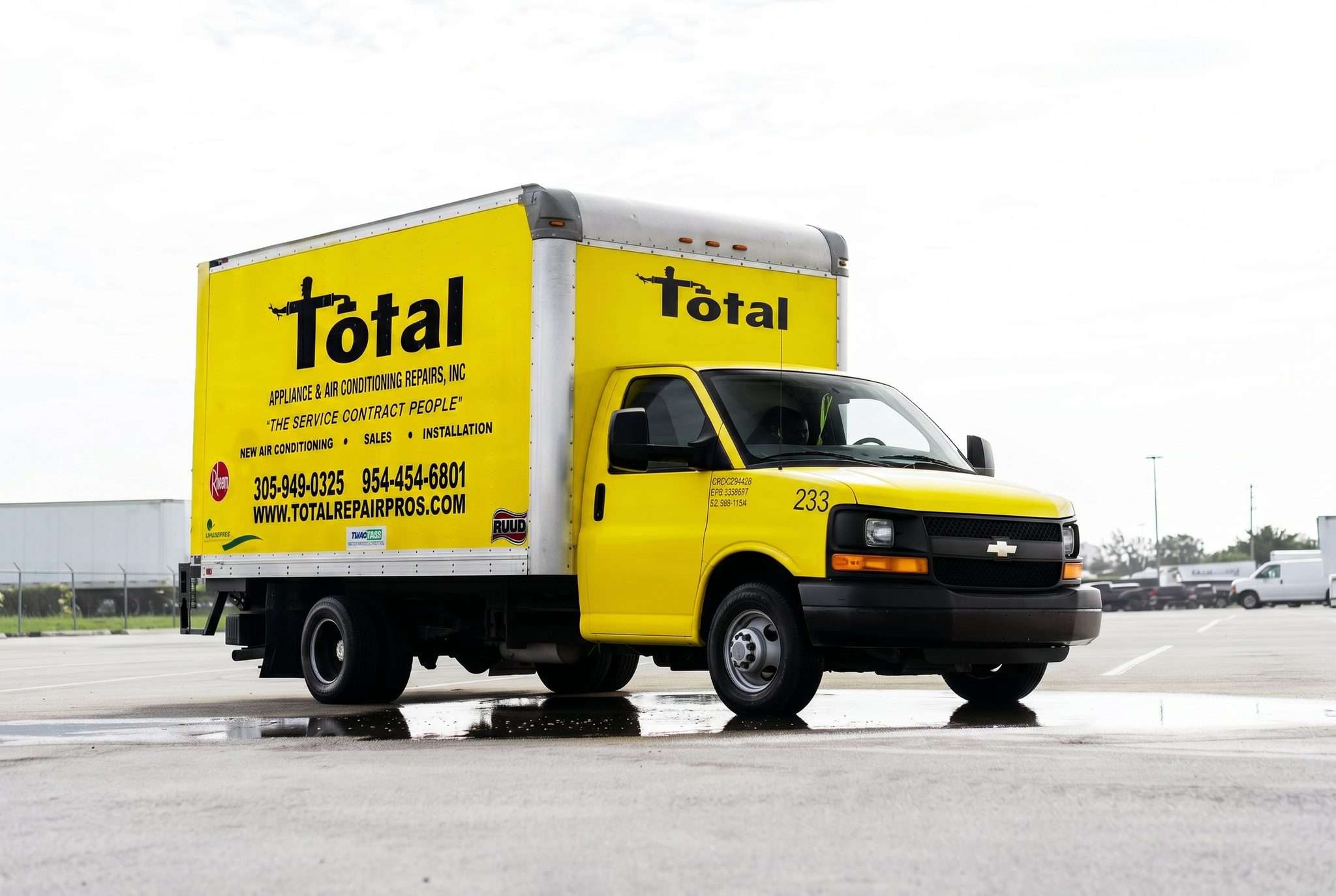
Total installs Niron PP-RCT for South Florida condos and commercial buildings
PP-RCT is a polypropylene pressure pipe engineered for hot and cold potable water and for heating and cooling loops in commercial buildings. Across South Florida, condo associations and building owners are specifying it in place of copper and CPVC because it does not corrode, rust, or scale, and its joints are heat-fused into a single piece rather than glued or soldered. We install all major PP-RCT systems, and most of our projects use Niron (by Nupi Americas), the system the engineers we work with typically specify. We handle riser repiping, full domestic water distribution, and mechanical loops across Miami-Dade, Broward, and Palm Beach.
When Buildings Specify PP-RCT
PP-RCT usually enters the conversation when a building’s original copper or CPVC has moved from occasional repairs into a building-wide pattern, or when an engineer writes it into a new-construction or renovation spec. Below is what drives the decision in South Florida, and how PP-RCT answers each one.

What Drives a Building to PP-RCT
Any one of these can start the conversation. Two or more together usually means the material itself, not one bad joint, is the problem.
South Florida humidity, acidic conditions, and heavily chlorinated water corrode copper from the inside. In a high-rise, one riser leak on an upper floor can reach several units below before anyone sees it.
High chlorine levels and warm water cause older CPVC to embrittle over time, which shows up as cracks and joint failures. PP-RCT stays chemically stable in the same water.
More MEP engineers are writing PP-RCT into domestic water and hydronic specifications for commercial and high-rise work. Total installs directly from the spec.
A rated service life beyond 50 years, versus roughly 20 for many metal systems, changes the long-term math for a condo association budgeting a once-in-a-generation repipe.
When leaks become a pattern across floors, spot repairs stop keeping up. A planned PP-RCT repipe resets the system with far fewer joints to fail.
On a ground-up building or a full gut renovation, PP-RCT goes in as the domestic water and mechanical piping from the rough-in stage forward.
PP-RCT Compared to Copper and CPVC
The material in the walls decides both the failure pattern and the replacement plan.
A proven material, but in South Florida water it develops pinhole leaks that tend to cluster. Once they start on a building’s risers, spot repairs pile up quickly.
Widely used, but chlorine and heat make older CPVC brittle, which leads to cracks and joint failures over time. Replacement removes the failure point for the life of the building.
Polypropylene random copolymer with modified crystallinity. Corrosion-proof and scale-proof, joined by heat fusion into one continuous piece, certified to NSF/ANSI 61 and built to ASTM F2389. Niron, the system we install most often, adds a fiberglass core layer that restrains thermal expansion by up to 75 percent.
What a Commercial PP-RCT Project Looks Like
Repiping an occupied building sounds disruptive. Planned correctly, it moves through the building in stages while residents and tenants stay in place.
- Phased, floor-by-floor scheduling: work moves through the building in sections so the property stays in service. Shutoffs are planned, and residents or tenants get notice ahead of each phase.
- Coordinated with the people running the building: we work directly with the board, property manager, MEP engineer, and general contractor, with one point of contact from scope through close-out.
- Heat-fused connections: each joint is fused so the pipe and fitting become a single piece. Our technicians are trained in the heat-fusion method that every PP-RCT system depends on.
- Permitted and inspected: commercial repiping is city-permitted work. Total pulls the permit and installs to code. The property owner or an authorized representative signs the permit and attends the final inspection.
- Commercial account handling: COI with the property listed as additional insured, W-9 on file, and PO-friendly billing formatted for how associations and management companies pay.
Commercial PP-RCT FAQ
Which PP-RCT system does Total install?
We install all major PP-RCT systems. Most of our projects use Niron (by Nupi Americas), the system the engineers we work with typically specify, but we install whatever system your plans or spec call for. Quality PP-RCT systems are certified to NSF/ANSI 61 for potable water and manufactured to ASTM F2389. For a deeper background on the material, see our overview of why South Florida condos are choosing PP-RCT.
Can you install PP-RCT in an occupied condo building?
Yes. Nearly all of our commercial repiping happens in occupied buildings. Work is phased by section with planned shutoffs and resident notice ahead of each phase, and after-hours execution when the building calls for it, so the property stays in service through the project.
Can you install from our engineer’s or GC’s specification?
Yes. When PP-RCT is written into a domestic water or hydronic specification, we install directly from the spec and coordinate with the MEP engineer, general contractor, and property management from scope through final inspection.
Is PP-RCT approved for potable water in Florida?
Yes. PP-RCT used for potable water is certified to NSF/ANSI 61 for health effects, manufactured and joined to ASTM F2389, and recognized under the Florida Building Code, Plumbing for water service and distribution.
Why choose PP-RCT over copper or CPVC for a condo?
In South Florida conditions, copper tends to develop pinhole leaks and older CPVC turns brittle from chlorine and heat. PP-RCT does not corrode or scale, and its heat-fused joints remove the soldered and glued connections where those systems commonly fail. It carries a rated service life beyond 50 years.
Are your technicians trained to install PP-RCT?
Yes. PP-RCT is joined by heat fusion, which melts the pipe and fitting into a single piece. Our technicians are trained in that method, so connections are made to the manufacturer’s published procedure rather than improvised in the field.
Do you pull permits for commercial repiping?
Yes. Commercial repiping is city-permitted work in South Florida. Total pulls the permit and installs to code. The property owner or an authorized representative signs the permit and attends the final inspection.
How do we get a quote for a PP-RCT project?
We scope the project on a walk-through of the building or from the plans, then provide a written quote. Pricing depends on the building, the scope (risers, full distribution, or mechanical loops), access, and schedule, so it is quoted per project rather than published. Call (954) 454-6801 or request a commercial consultation to get started. We set up the commercial account with COI, W-9, and PO-friendly billing.


Areas We Service
Commercial and condo PP-RCT piping across Miami-Dade, Broward, and South Palm Beach County. Click any city page to learn more about our services within the area.
Miami-Dade County
- Aventura
- Bal Harbour
- Coral Gables
- Cutler Bay
- Doral
- Hialeah
- Homestead
- Kendall
- Miami
- Miami Beach
- Miami Gardens
- Miami Lakes
- North Miami
- North Miami Beach
- Pinecrest
- Sunny Isles Beach
- Surfside
Broward County
- Coconut Creek
- Cooper City
- Coral Springs
- Davie
- Deerfield Beach
- Fort Lauderdale
- Hallandale Beach
- Hollywood
- Margate
- Miramar
- Pembroke Pines
- Plantation
- Pompano Beach
- Sunrise
- Tamarac
- Weston