

How to Avoid Electrical Issues in Your Home
Electrical problems can spark outages—or worse, house fires. In humid climates like ours, wiring and devices face extra stress. With regular care and smart upgrades, you can lower risks and protect your family. Below are practical tips, backed by national fire data and Florida code guidelines, to keep your home’s electricity running safely.
Schedule Regular Electrical Inspections
Schedule a licensed electrician to inspect your home every 2–3 years. Look for signs of wear:
- Frayed wires behind appliances.
- Loose or discolored outlets.
- Buzzing sounds from panels or switches.
In 2023, U.S. fire departments reported 23,700 residential electrical fires, causing 305 deaths, 800 injuries, and $1.5 billion in losses (source: US Fire Administration). Early detection of wiring faults can prevent these tragedies
Electrical Outlet and Circuit Safety
Don’t overload outlets or power strips. Spread devices across circuits in different rooms. If you need more plugs, install additional outlets rather than daisy‑chaining extension cords.
GFCI and AFCI Protection
Florida’s Building Code requires GFCI outlets near water sources—bathrooms, kitchens, garages, and outdoors—to reduce shock risk. Arc-Fault Circuit Interrupters (AFCIs) detect arcing faults in bedrooms and living areas, preventing fires. Ask your electrician to install GFCI and AFCI protection where code mandates.
Proper Cord and Extension Usage
Use heavy-duty extension cords rated for your appliances’ wattage. Never run cords under rugs or through doorways, where they can pinch and fray. Only use cords temporarily; they are not a substitute for permanent wiring. Unwrap cords fully to avoid overheating.
Appliance Maintenance and Dust Control Can Prevent Electrical Issues
Keep appliances in good shape:
- Dryer lint traps: Clean before every load to prevent lint‑ignited fires.
- Dryer vents: Same goes here!
- Refrigerator coils: Dust every six months to improve efficiency and reduce motor strain.
- HVAC units: Replace filters monthly and schedule biannual tune‑ups.
Dust and pet hair can clog motors and vents, increasing fire risk. Regular cleaning keeps components running cool and safe.
Upgrade Electrical Systems in Older Homes
Homes built before 1980 may still have outdated wiring—knob-and-tube or aluminum—that can overheat. Consider these upgrades:
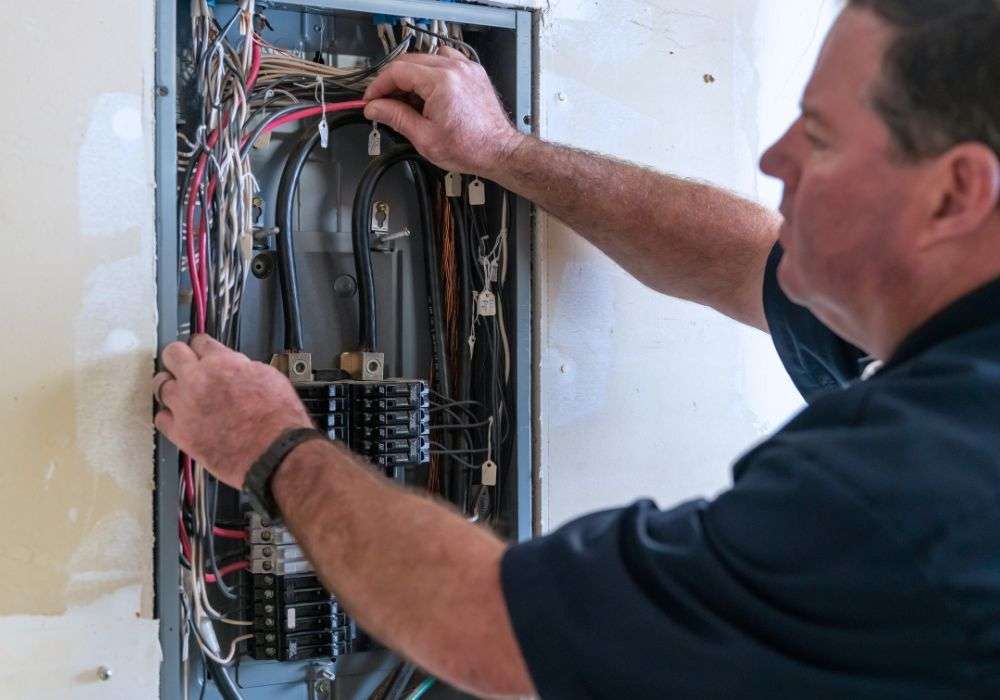
- Panel replacement: Modern panels handle today’s power loads more safely.
- Rewiring: Replace old wiring in kitchens, bathrooms, and attics.
- Surge protection: Whole‑house surge protectors defend sensitive electronics.
An updated system meets current demands and lowers heat build‑up in wires and connectors.
Use Smart Safety Devices
Integrate smart technology to boost protection:
- Smart smoke and CO alarms: Receive alerts on your phone if alarms trigger.
- Smart circuit breakers: Monitor load and trip before breakers overheat.
- Smart plugs and power strips: Schedule shut‑off times to prevent forgotten devices from running continuously.
These devices offer real‑time data and remote control, adding convenience and safety.
Unplug When Not in Use
Chargers and small appliances draw power even when “off.” Unplug devices like phone chargers, coffee makers, and game consoles when idle. This simple habit reduces wear on cords and cuts energy use.
Hire Licensed Professionals – Never DIY Electric!
Never DIY major electrical work. Florida law requires licensed contractors for installations and repairs. A qualified electrician follows the National Electrical Code (NEC) and local amendments under the Florida Building Code. Proper permits and inspections ensure your work meets safety standards.
Need an Electrician? Call Total.
Preventing electrical issues requires vigilance, proper maintenance, and code‑compliant upgrades. Regular inspections, GFCI/AFCI protection, and safe cord practices cut the risk of fires and shocks. Total has provided residential and commercial electrical services in Miami‑Dade, Broward, and South Palm Beach since 1970. Our licensed electricians handle inspections, rewiring, panel upgrades, and smart‑device installations. Contact Total today to schedule an electrical safety check or upgrade estimate.